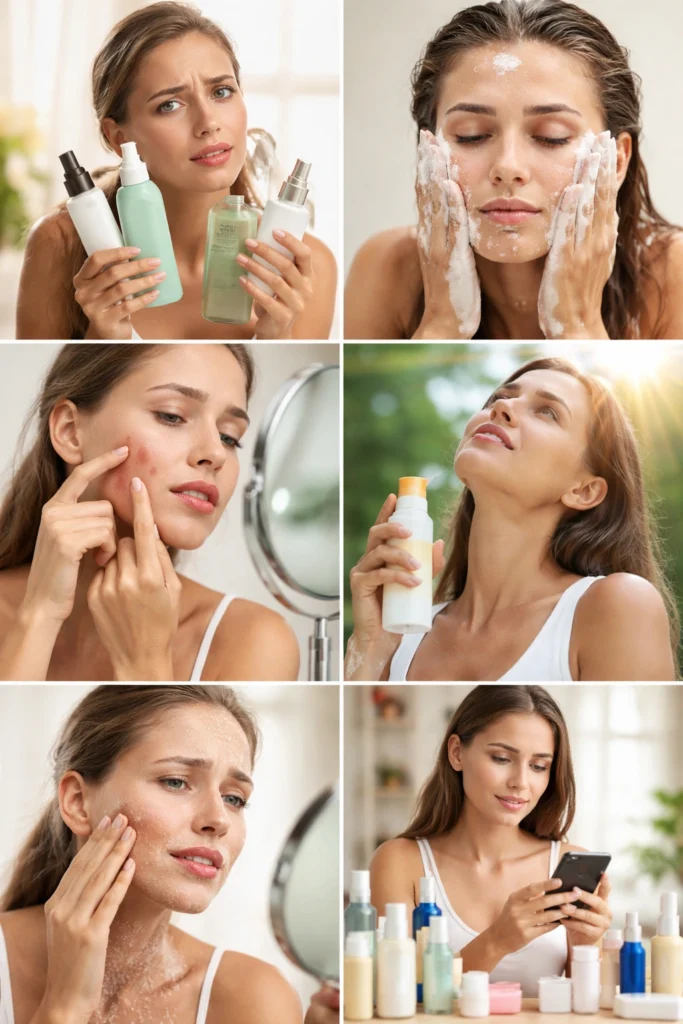


Choosing skincare products can feel overwhelming, especially when every brand promises clearer, smoother, and healthier-looking skin. For many people, the problem is not the lack of available products but the fact that there are too many options. Cleansers, serums, moisturizers, masks, exfoliants, and treatments all claim to be essential, yet not every product is suitable for every person. The most important step in building a skincare routine is learning how to choose products that actually match your skin type.
Using products that are not designed for your skin can lead to irritation, dryness, excess oil, or breakouts. A rich cream may feel wonderful on dry skin but may be too heavy for oily skin. A strong acne treatment may help one person but leave another with redness and discomfort. This is why understanding your skin type is the foundation of smart skincare decisions.
When you choose products with your skin’s actual needs in mind, your routine becomes simpler, more effective, and much less frustrating.
Why Skin Type Matters So Much
Your skin type affects how your skin behaves throughout the day and how it reacts to different ingredients. Some people naturally produce more oil, while others struggle with dryness or sensitivity. Some have skin that feels balanced in some areas and oily in others. These differences matter because skincare products are made with different textures, ingredient levels, and purposes.
If you do not consider your skin type, you may end up solving one problem while creating another. For example, someone with dry skin who uses a harsh foaming cleanser may notice more tightness and flaking. Someone with oily skin who uses a very heavy cream may feel greasy and uncomfortable. Sensitive skin may react badly to fragranced products or strong active ingredients, even if those products work well for other people.
Choosing products based on your skin type helps reduce the guesswork. It allows you to focus on what your skin really needs instead of following trends or buying products simply because they are popular.
How to Identify Your Skin Type
Before buying skincare products, it helps to understand whether your skin is dry, oily, combination, normal, or sensitive. A simple way to observe your skin is to wash your face with a gentle cleanser and leave it bare for about 30 minutes. Then pay attention to how it feels and looks.
If your skin feels tight, rough, or flaky, it is likely dry. If it becomes shiny all over, especially on the forehead, nose, and cheeks, it may be oily. If your forehead, nose, and chin look oily but your cheeks feel normal or dry, you may have combination skin. If your skin feels balanced, comfortable, and not overly oily or dry, it may be normal. Sensitive skin is usually identified by how easily it reacts. It may sting, become red, itch, or feel irritated after using certain products or being exposed to weather changes.
Skin type is not always perfectly fixed. It can be influenced by climate, age, hormones, stress, and the products you use. However, knowing your general skin type gives you a strong starting point for choosing products more carefully.
Choosing Products for Dry Skin
Dry skin usually needs products that help maintain moisture and support the skin barrier. The best products for dry skin are often gentle, nourishing, and designed to prevent further moisture loss.
A cleanser for dry skin should remove dirt without making the face feel stripped. Cream or lotion cleansers often work well because they tend to be less harsh than strong foaming formulas. After cleansing, a moisturizer with a richer texture can help keep the skin soft and comfortable. Ingredients that support hydration are often beneficial for dry skin, especially when the skin feels tight after washing.
People with dry skin should be careful with products that contain high amounts of alcohol or overly strong exfoliating ingredients, as these can make dryness worse. It is usually better to choose products that focus on restoring comfort and keeping the skin balanced rather than aggressively treating it.
Choosing Products for Oily and Combination Skin
Oily skin produces more sebum, which can make the face appear shiny and sometimes more prone to clogged pores or breakouts. Combination skin often has an oily T-zone and drier cheeks, which means balance is especially important.
For oily or combination skin, lightweight products are often a better choice. A gentle gel cleanser can help remove excess oil without being too harsh. Moisturizer is still important, even for oily skin, but the texture matters. Lighter gel or lotion-based moisturizers usually feel more comfortable than thick creams.
People with oily or combination skin often benefit from products that feel breathable and do not leave a heavy finish. However, trying to remove all oil from the skin can backfire. If the routine is too aggressive, the skin may become irritated or produce even more oil in response. The goal is not to make the skin feel dry. The goal is to help it feel clean, balanced, and supported.
Combination skin may require a flexible approach. Some people use one moisturizer all over the face, while others prefer lighter products in oily areas and slightly richer products where the skin feels drier.
Choosing Products for Sensitive Skin
Sensitive skin needs extra care when selecting skincare products. The main priority is keeping the routine gentle and predictable. Sensitive skin often reacts to fragrance, harsh exfoliants, overly strong active ingredients, or simply too many products at once.
When shopping for sensitive skin, simpler formulas are often a safer choice. A mild cleanser, a basic moisturizer, and sunscreen are usually the best foundation. It is wise to avoid introducing multiple new products at the same time because this makes it difficult to understand what may be causing irritation.
Patch testing is especially useful for sensitive skin. Before applying a new product to the entire face, test a small amount on one area and wait to see how your skin reacts. This can help prevent unnecessary discomfort. Sensitive skin does not always need more products. In many cases, it needs fewer products and a more consistent routine.
Read Labels and Choose Slowly
No matter your skin type, it is important to read product descriptions carefully and avoid buying everything at once. Pay attention to whether the product is described as lightweight, rich, gentle, fragrance-free, or suitable for specific skin types. These details can help you narrow down what is more likely to work for you.
It is also a good idea to introduce one new product at a time. This makes it easier to notice both positive results and negative reactions. Skincare should be built gradually. A simple routine that works is far more valuable than a complicated routine that causes confusion.
Choosing the right skincare products is not about finding the most expensive brand or following every trend. It is about understanding your skin, respecting its needs, and creating a routine that feels supportive every day. When you match your products to your skin type, skincare becomes much more effective and much easier to maintain.