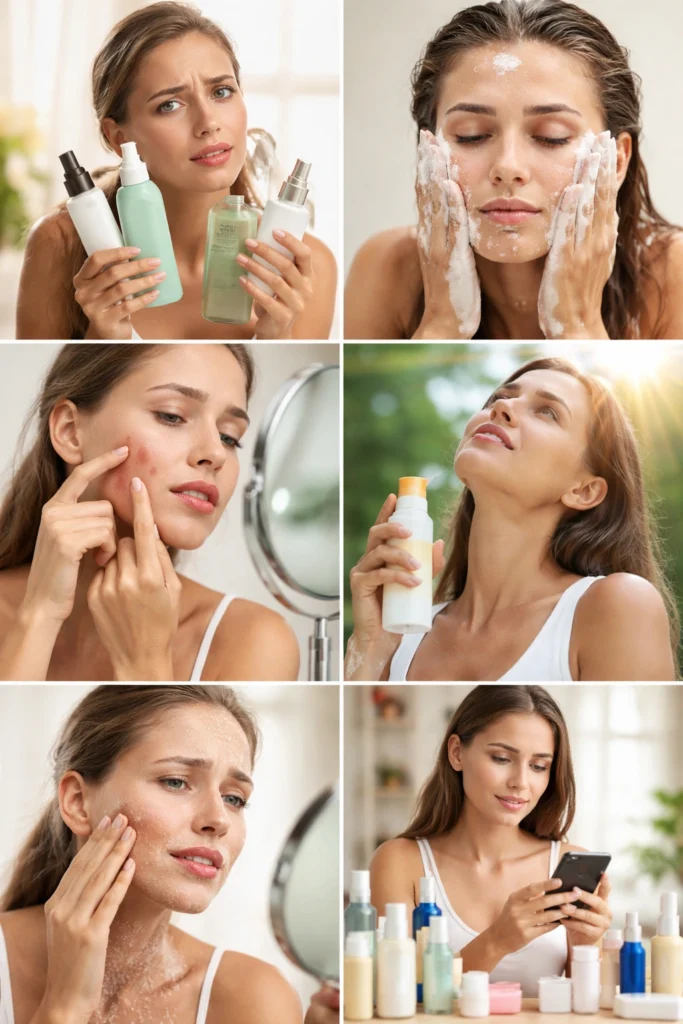


Your skin does not stay exactly the same all year. It reacts to temperature, humidity, wind, sun exposure, indoor heating, and even changes in your daily habits. That is why a skincare routine that feels perfect in one season may suddenly stop working in another. Many people notice that their skin becomes drier in winter, oilier in summer, more sensitive during seasonal transitions, or generally harder to manage when the weather changes.
Understanding how the seasons affect your skin can help you make smarter choices instead of feeling frustrated every few months. The goal is not to completely rebuild your skincare routine every season, but to make small adjustments that support your skin as conditions change. When you learn how your skin responds throughout the year, it becomes much easier to keep it balanced, comfortable, and healthy-looking.
Why Your Skin Changes With the Seasons
Your skin is constantly responding to the environment around you. In colder months, low humidity, wind, and indoor heating can reduce moisture and weaken the skin barrier. This often leads to dryness, tightness, flaking, or irritation. In warmer months, heat and humidity can increase oil production and sweat, which may lead to congestion, shine, or more frequent breakouts.
Seasonal changes also affect how much time you spend outdoors, how much water you drink, how often you use air conditioning or heating, and which products feel comfortable on your skin. Even if your skin type stays the same overall, its needs may shift from one season to another.
This is why skincare should not always be completely fixed. Your routine needs a stable foundation, but it should also have enough flexibility to adapt when your skin starts behaving differently.
How Winter Can Make Skin Dry and Sensitive
Winter is one of the most challenging seasons for skin. Cold air outside and dry heat indoors can quickly reduce moisture levels. Many people notice that their skin feels tighter after washing, looks duller, or becomes rough in areas that normally feel smooth. Lips, cheeks, and the area around the nose are especially likely to become dry or irritated.
During winter, the skin barrier often needs extra support. If you continue using light summer products without any adjustments, your skin may start to feel uncomfortable. Cleansers that seemed fine in warm weather may suddenly feel too harsh. Moisturizers that were once enough may no longer provide lasting comfort.
To help your skin during winter, focus on gentleness and hydration. A milder cleanser and a richer moisturizer can make a big difference. It also helps to avoid overly hot water when washing your face, because hot water can make dryness worse. If your skin feels more reactive than usual, reducing harsh exfoliation can also help prevent unnecessary irritation.
Winter skincare is less about using more products and more about protecting the skin from losing too much moisture.
How Spring Can Trigger Imbalance and Sensitivity
Spring often feels like a refreshing change, but for the skin, it can be an adjustment period. After months of cold weather, rising temperatures and changing humidity can make the skin behave unpredictably. Some people notice that dry winter skin starts producing more oil. Others experience sensitivity, redness, or small breakouts as their skin adapts.
This seasonal transition can also tempt people to switch routines too quickly. Moving immediately from rich winter products to a much lighter routine may not always work well if the skin still needs support. Spring is usually a better time for gradual changes.
A smart spring skincare approach often means simplifying and rebalancing. If your moisturizer suddenly feels too heavy, you can switch to a lighter texture. If your skin feels dull after winter, gentle exfoliation may help, but it should be introduced carefully. Spring is also a good reminder to become more consistent with sunscreen, especially as daylight increases and outdoor time becomes more frequent.
The key in spring is to observe your skin instead of assuming it needs the same routine it needed in the middle of winter.
How Summer Can Increase Oiliness and Breakouts
Summer brings more heat, humidity, and sun exposure, which can affect the skin in several ways. Many people notice that their face becomes oilier, especially around the forehead, nose, and chin. Sweat, sunscreen, and excess sebum can combine on the skin and make pores feel more congested. This is one reason breakouts often become more common in warmer months.
At the same time, summer is when sun protection becomes even more important. UV exposure can contribute to dark spots, early signs of aging, irritation, and longer-lasting acne marks. Even people who usually keep their skincare routine simple should pay close attention to sunscreen during this season.
In summer, many people prefer lightweight products that do not feel heavy on the skin. Gel moisturizers, refreshing cleansers, and breathable sunscreen formulas can feel more comfortable than thick creams. However, this does not mean you should stop moisturizing completely. Even oily summer skin still needs balance and barrier support.
Summer skincare works best when it feels light, clean, and protective without becoming overly aggressive.
How Autumn Prepares Your Skin for Cooler Weather
Autumn is another transitional season, and it is often the time when skin starts showing the first signs that summer is over. As temperatures drop and the air becomes less humid, the skin may slowly begin losing moisture again. Products that felt ideal in summer may start to feel less effective, especially if your face begins feeling tighter or less comfortable.
This is a good time to make small adjustments before winter dryness becomes a bigger problem. You may not need a full routine change, but you may benefit from more hydration and a little extra barrier support. Autumn can be thought of as a preparation season. It allows you to strengthen your routine before the colder months arrive.
Many people do well in autumn by keeping their cleanser gentle, using a moisturizer that offers slightly more nourishment than their summer one, and staying consistent with sunscreen even when the weather no longer feels hot. Sun protection still matters in autumn, even when the temperature drops.
Autumn skincare is about transition, not extremes. Small changes at the right time can help your skin stay more stable.
Signs That Your Routine Needs Seasonal Adjustment
Your skin usually gives clear signals when your routine no longer matches the season. If your face starts feeling tight after cleansing, looks flaky, or becomes more sensitive, you may need more hydration or gentler products. If it feels greasy, congested, or heavier products suddenly seem uncomfortable, it may be time to lighten your routine.
Another sign is when makeup or sunscreen stops sitting well on the skin. This can happen when your moisturizer is too rich for warm weather or too light for colder months. A sudden increase in redness, breakouts, or uneven texture may also suggest that your skin is reacting to environmental changes rather than to one specific product alone.
The most helpful habit is paying attention. Instead of following the same routine automatically all year, notice how your skin feels morning and evening. Is it dry, shiny, rough, calm, sensitive, or comfortable? These details can help guide small routine updates before bigger problems develop.
What to Change and What to Keep Consistent
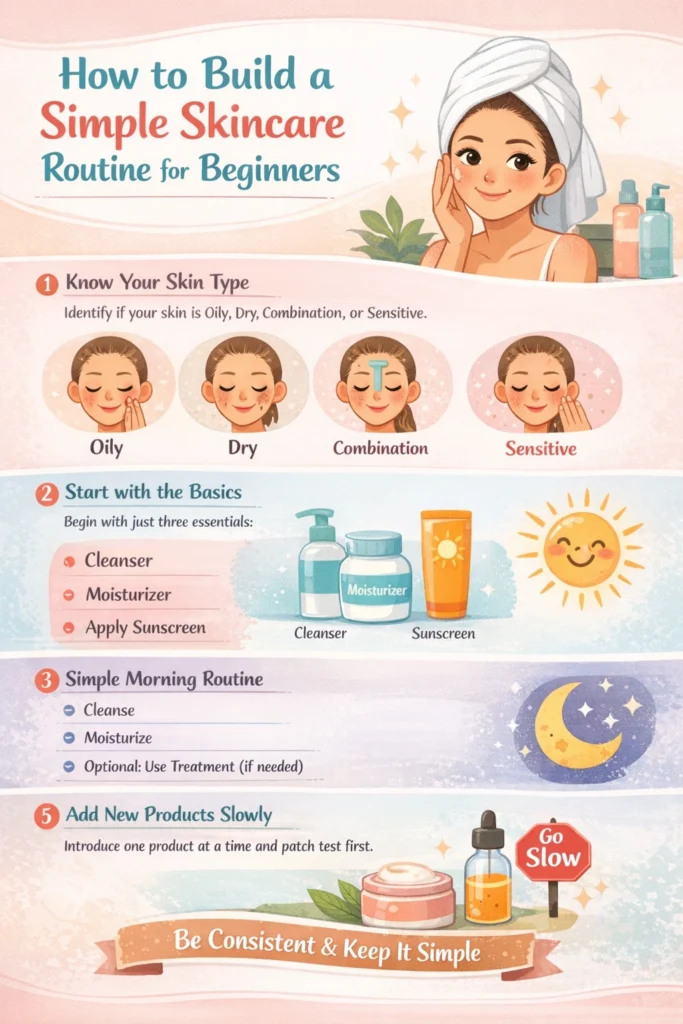
Not everything in your skincare routine needs to change with the seasons. In fact, it is often better to keep the core of your routine stable. A gentle cleanser, a suitable moisturizer, and sunscreen remain the most important basics throughout the year. What usually changes is the texture, amount, or frequency of certain products.
For example, in winter you may need a richer moisturizer, while in summer a lighter one may feel better. In colder months, you might reduce exfoliation if your skin feels sensitive. In warmer months, you may prefer formulas that absorb more quickly and feel less heavy. Sunscreen should stay consistent in every season, even though people often associate it only with summer.
This balanced approach is usually more effective than changing everything at once. Your skin benefits most from thoughtful adjustments, not constant replacement of products.
Learn Your Skin’s Seasonal Pattern
The more you observe your skin throughout the year, the easier skincare becomes. Over time, you may begin to notice a pattern. Perhaps your skin always becomes dry in late autumn, oily in midsummer, or sensitive during the first few weeks of spring. Once you recognize these patterns, you can prepare in advance instead of waiting for problems to appear.
Seasonal skincare is really about understanding that your skin lives in a changing environment. It does not need perfection. It needs support that fits the moment. When you respond to the season with simple and practical adjustments, your skin is more likely to stay calm, balanced, and comfortable all year long.